
News / Blog
The Vital Role of High Silica Fiberglass in Rocket Launch Technologies
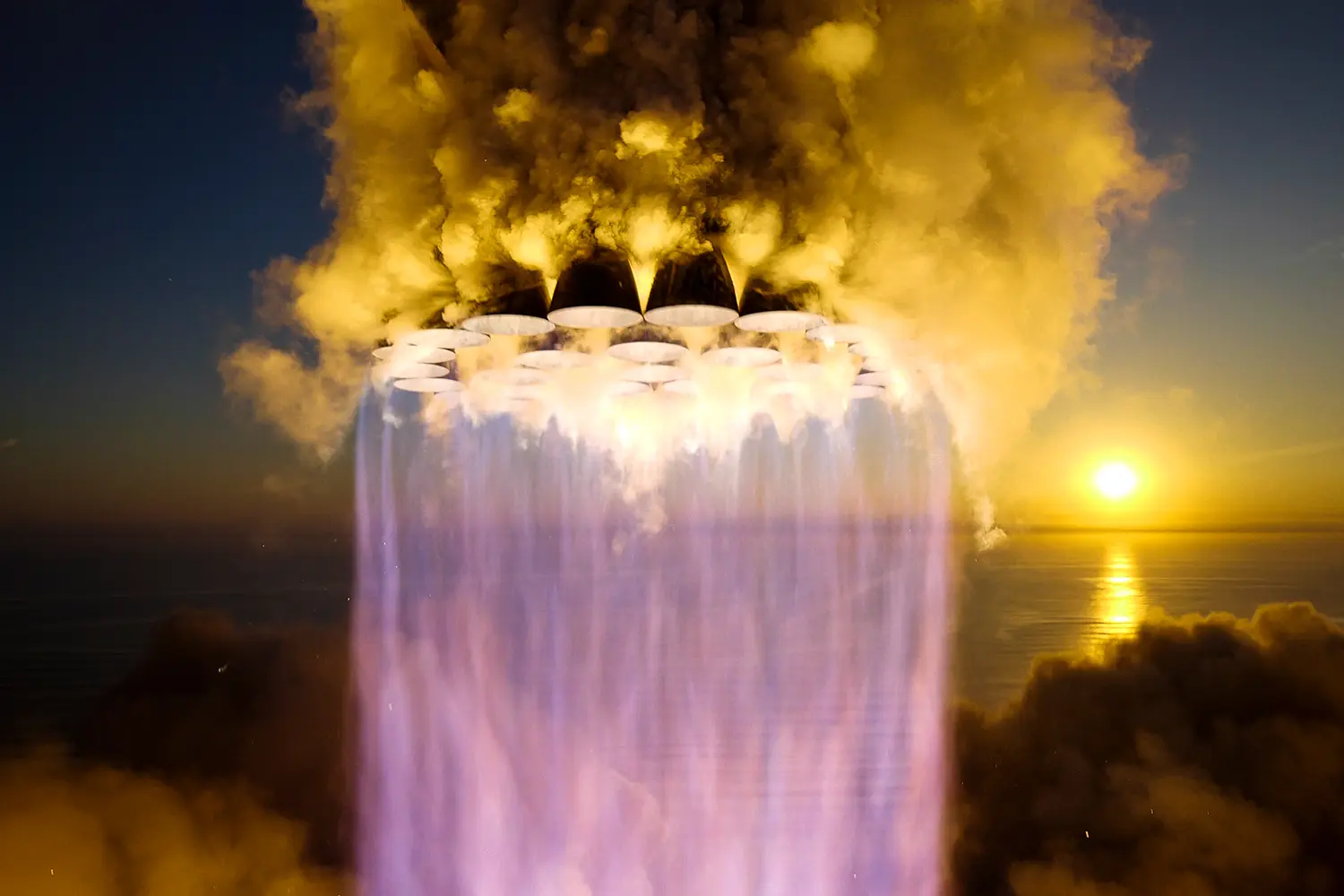
The second test flight of SpaceX’s Starship rocket launched from Boca Chica Beach early Saturday morning. High Silica Fiberglass played a very important role as a glass fiber reinforced composite material in rocket launches.
The Composition and Properties of High Silica Fiberglass
High Silica glass fiber is a material predominantly composed of silicon dioxide (SiO2) with a very high purity level, often exceeding 96%. This composition confers exceptional qualities to the material, including remarkable thermal stability, low thermal expansion, and excellent resistance to high temperatures, often up to 1000°C or higher. Additionally, it demonstrates considerable strength, flexibility, and resistance to thermal shock, making it an ideal candidate for aerospace applications.
Applications in Rocket Launch
1. Thermal Protection Systems (TPS):
- Rockets, during launch and re-entry, encounter extreme temperatures due to atmospheric friction and engine heat. High Silica Fiberglass is used in the TPS to shield sensitive components and payloads from these harsh thermal environments.
- The material’s high melting point and low thermal conductivity make it an excellent insulator, protecting the rocket’s structural integrity.
2. Engine Insulation:
- Rocket engines generate tremendous heat. High Silica Fiberglass is used to insulate engine components, preventing heat transfer to other sections of the rocket.
- This insulation ensures the engines operate within optimal temperature ranges, enhancing efficiency and safety.
3. Vibration Damping and Structural Reinforcement:
- The material’s flexibility and strength assist in damping vibrations experienced during launch, contributing to the structural stability of the rocket.
- High Silica Fiberglass composites can reinforce critical areas, providing additional strength without significant weight addition.
4. Ablative Layers for Re-entry:
- For spacecraft designed to return to Earth, High Silica Fiberglass serves as an ablative layer. It dissipates heat through controlled erosion, protecting the spacecraft during the intense heat of re-entry.
5. Fuel Tank Insulation:
- The cryogenic fuels used in rockets require insulation to maintain low temperatures. High Silica Fiberglass provides efficient thermal insulation for fuel tanks, preventing external heat from affecting the fuel’s temperature.
Advantages in Rocketry
The application of High Silica Fiberglass in rocket technology offers several advantages:
- Enhanced Safety: By providing effective thermal insulation and structural reinforcement, it increases the safety and reliability of rocket launches.
- Weight Reduction: Its lightweight nature contributes to overall weight reduction, a critical factor in rocket design, enhancing payload capacity and fuel efficiency.
- Durability: Its resistance to extreme temperatures and environmental conditions ensures longevity and durability of rocket components.
The integration of High Silica fiber glass in rocket technology represents a significant advancement in materials engineering. Its exceptional properties address the critical challenges of thermal management, structural integrity, and safety in rocket launches. As the aerospace industry continues to evolve, the role of High Silica fiber glass will undoubtedly expand, contributing to more efficient, reliable, and safer space exploration endeavors.