
News / Blog
Fiberglass Material in Swimming Pools: A Comparative Analysis
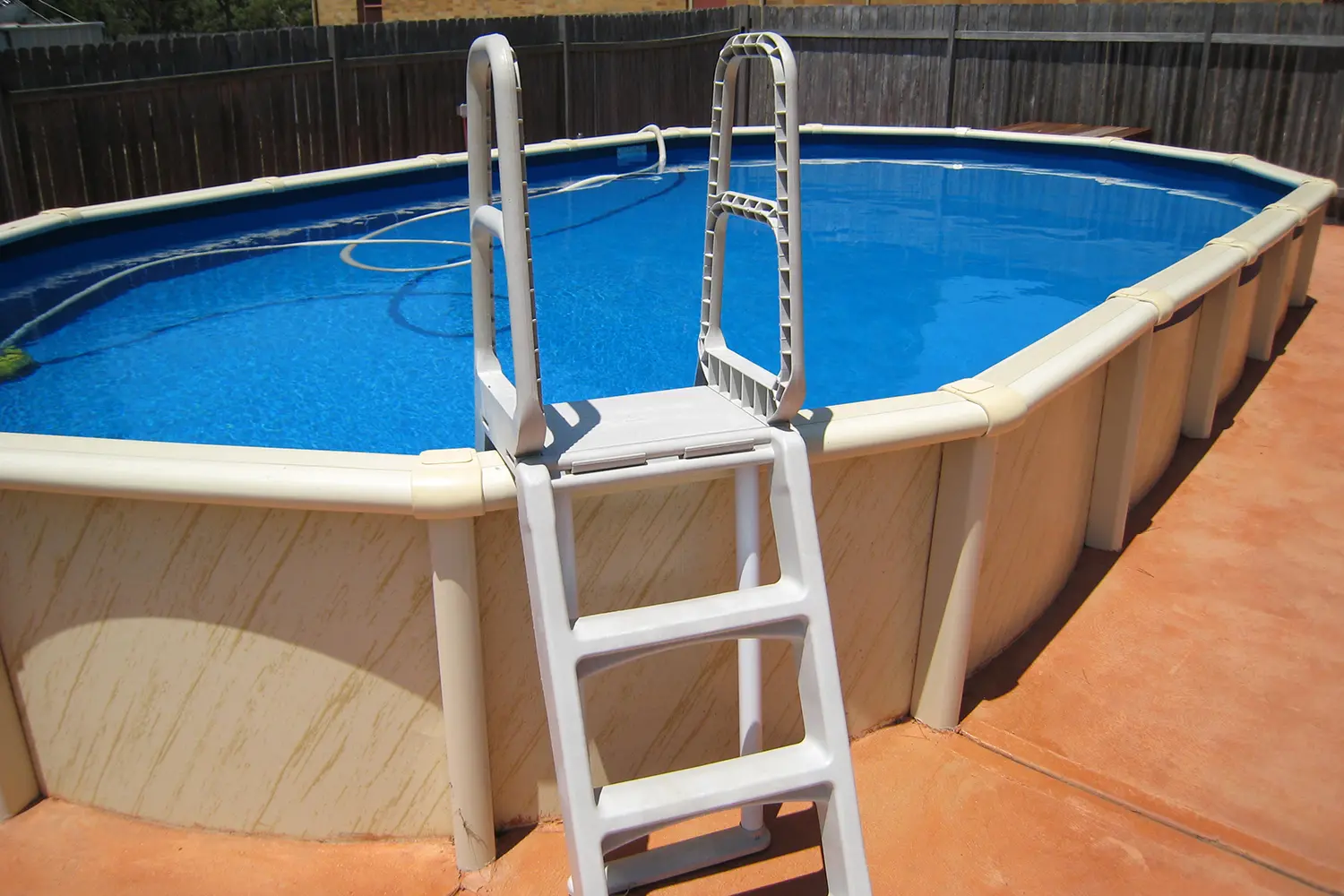
Fiberglass is increasingly becoming a popular choice for swimming pool construction due to its numerous advantages. As a manufacturer of fiberglass we will guide you through the use of fiberglass as a swimming pool material and compare it with other common materials used in pool construction
Overview of Fiberglass Material Swimming Pools
Fiberglass pools are made from fiberglass-reinforced plastic molded into a basin shape. This material is known for being lightweight yet strong, durable, and leak-proof. It’s also an excellent thermal insulator and doesn’t conduct electricity, making it a safe option for swimming pools. The process of making a fiberglass pool involves creating a mold, applying a gel coat for the outer layer, and then spraying a mixture of fiberglass and resin for the core layer. The installation of fiberglass pools is relatively easy and quick, taking about 2 to 4 weeks, compared to the months required for conventional pools.
Comparison Table: Fiberglass vs. Other Pool Materials
| Feature | Fiberglass | Concrete | Vinyl Liner |
|---|---|---|---|
| Durability | Highly durable, doesn’t degrade easily | Very durable but can crack | Prone to tears and punctures |
| Maintenance | Low maintenance, less prone to algae | Requires regular maintenance | Needs regular maintenance and liner replacement |
| Installation Time | 2-4 weeks | Several months | 1-3 weeks |
| Cost | Moderate upfront cost, low lifetime cost | High upfront cost, moderate lifetime cost | Lower upfront cost, higher lifetime cost |
| Customization | Limited shapes and sizes | Highly customizable | Customizable within certain limits |
| Aesthetics | Sleek, modern look | Classic, customizable appearance | Clean, simple look |
| Insulation | Excellent thermal insulation | Poor insulation unless added | Moderate insulation |
| Eco-Friendliness | Non-toxic, low chemical usage | High chemical usage | Moderate chemical usage |
Advantages of Fiberglass Pools
- Durability and Longevity: Fiberglass is resistant to wear and tear, making it a long-lasting option.
- Low Maintenance: These pools are less prone to algae growth and require fewer chemicals.
- Quick Installation: The pre-made molds allow for faster installation compared to other pool types.
- Safety and Comfort: Fiberglass pools are non-abrasive and have a smooth surface, reducing the risk of injuries.
Disadvantages of Fiberglass Pools
- Limited Customization: Fiberglass pools come in pre-made shapes and sizes, offering less flexibility in design.
- Transportation Limitations: Large molds can be challenging to transport to the installation site.
- Initial Cost: The upfront cost can be higher than vinyl liner pools, though it pays off in the long run.
Fiberglass pools offer a compelling combination of durability, ease of maintenance, and aesthetic appeal, making them an excellent choice for many homeowners. While they may have some limitations in terms of customization and initial costs, their long-term benefits and eco-friendly nature make them a worthwhile investment for a modern, efficient swimming pool.